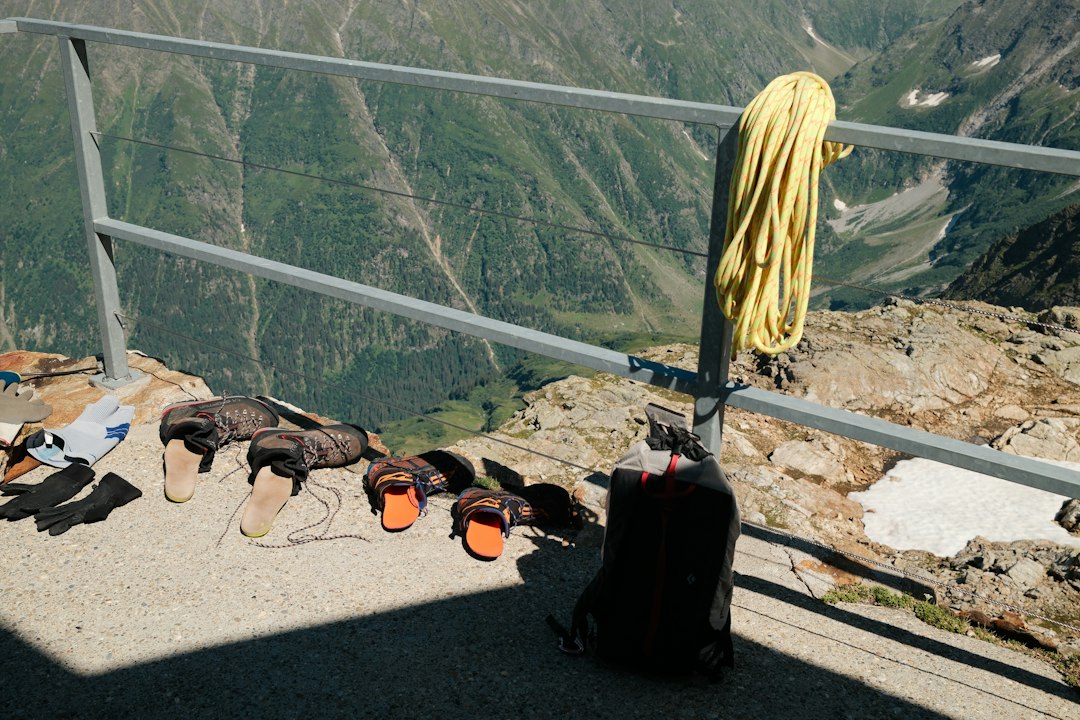
Hiking is an exhilarating way to connect with nature, but many people are misinformed about what gear is truly essential for a successful trek. At summitessential.com, we aim to debunk common myths surrounding hiking gear and provide you with a comprehensive guide to the essentials you need. Whether you’re a seasoned hiker or a beginner, understanding the right equipment can make all the difference in your outdoor experience.
Myth: You Only Need Basic Gear
Many believe that hiking requires only the most basic equipment, such as a pair of shoes and a water bottle. This misconception can lead to discomfort and even danger on the trail. While it’s true that you can hike with minimal gear, having the right equipment tailored to your specific hike can enhance your experience significantly. Proper hiking boots, for instance, provide necessary support and traction, which can prevent injuries and improve your overall performance.
Additionally, basic gear often overlooks essential items like navigation tools, first aid kits, and weather-appropriate clothing. These items are crucial for safety and comfort. A good map or GPS device can help you stay on track, while a first aid kit ensures you’re prepared for any minor injuries. Investing in quality gear from summitessential.com means you’re not just prepared for the hike, but you’re also setting yourself up for a more enjoyable adventure.
Myth: All Hiking Boots Are the Same
Another common misconception is that any pair of sturdy shoes will suffice for hiking. This myth can lead to blisters, foot pain, and even accidents on the trail. Hiking boots are specifically designed to provide support, traction, and protection that regular shoes simply cannot offer. The right pair of hiking boots should fit well, provide ankle support, and have a sole that grips various terrains effectively.
Moreover, different types of hiking boots cater to different hiking conditions. For example, lightweight boots are ideal for day hikes on well-maintained trails, while heavier, waterproof boots are necessary for rugged terrain and wet conditions. At summitessential.com, we offer a range of hiking boots to suit every type of hiker and trail, ensuring you have the right footwear for your adventure.
Myth: You Don’t Need to Prepare for Short Hikes
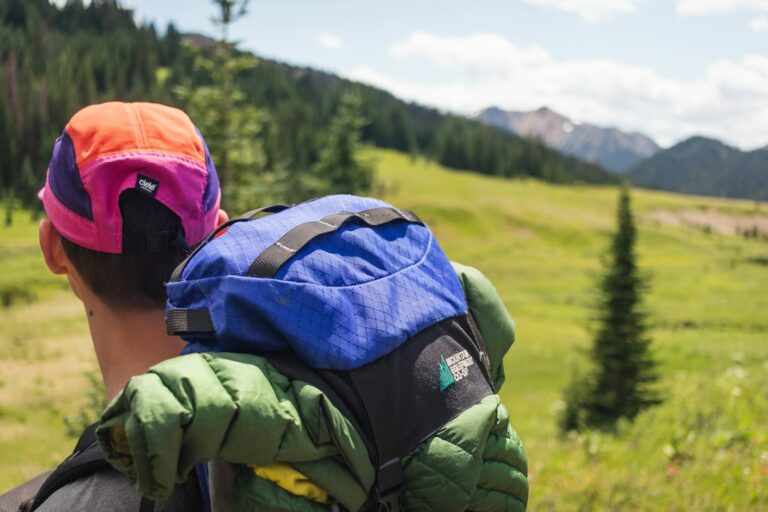
Many people assume that short hikes don’t require much preparation or gear. This is a dangerous assumption that can lead to unexpected challenges. Even short hikes can present risks such as sudden weather changes, difficult terrain, or getting lost. Proper preparation is essential, regardless of the hike’s length. Carrying a small backpack with water, snacks, and a basic first aid kit is advisable, even for a quick jaunt.
Additionally, it’s important to inform someone about your hiking plans, even for short excursions. This simple step can be crucial in case of an emergency. At summitessential.com, we emphasize the importance of preparation for all hikes, short or long, to ensure you have a safe and enjoyable experience in the great outdoors.
Myth: You Can’t Hike in Bad Weather
Many hikers shy away from hitting the trails in less-than-perfect weather, believing that hiking is only for sunny days. This myth can limit your outdoor experiences and prevent you from enjoying the beauty of nature in different conditions. While it’s true that hiking in severe weather can be dangerous, many trails are perfectly safe to explore in light rain or cooler temperatures, provided you have the right gear.
Investing in waterproof clothing and gear can make all the difference when hiking in less-than-ideal conditions. A good rain jacket, moisture-wicking layers, and waterproof boots can keep you dry and comfortable. At summitessential.com, we offer a variety of weather-resistant gear that allows you to embrace the elements and enjoy hiking year-round, expanding your adventures beyond the sunny days.
Myth: You Don’t Need to Hydrate Until You’re Thirsty
Many hikers make the mistake of waiting until they feel thirsty to drink water, which can lead to dehydration. This myth is particularly dangerous, as thirst is often a late indicator of dehydration. It’s crucial to hydrate regularly throughout your hike, even if you don’t feel thirsty. Carrying enough water and knowing how to ration it is essential for longer hikes, especially in warmer weather.
At summitessential.com, we recommend using hydration packs or water bottles that are easy to access while on the move. This encourages regular sipping and helps maintain your energy levels. Staying hydrated not only keeps you feeling good but also enhances your overall hiking experience, allowing you to enjoy the beauty around you without the fatigue that comes from dehydration.