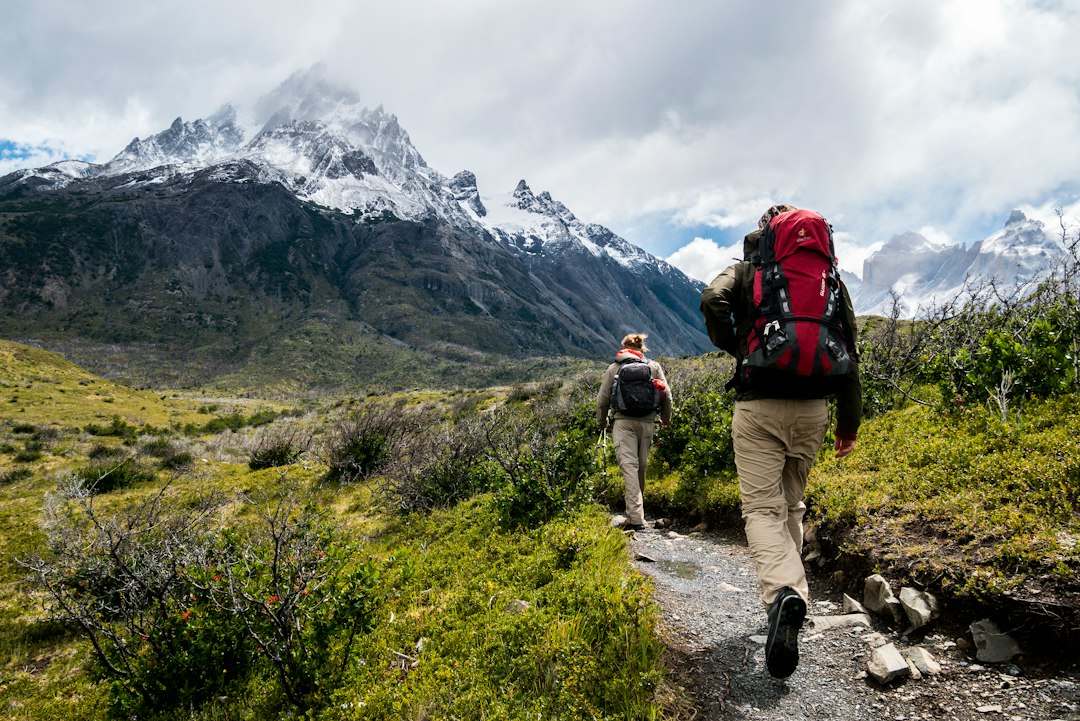
When preparing for a mountain hiking adventure, having the right gear is crucial for both safety and enjoyment. Summitessential.com offers a wide range of mountain gear supplies that cater to every hiker’s needs. Whether you’re a seasoned mountaineer or a casual day hiker, knowing what to pack can make all the difference in your experience.
1. Quality Hiking Boots
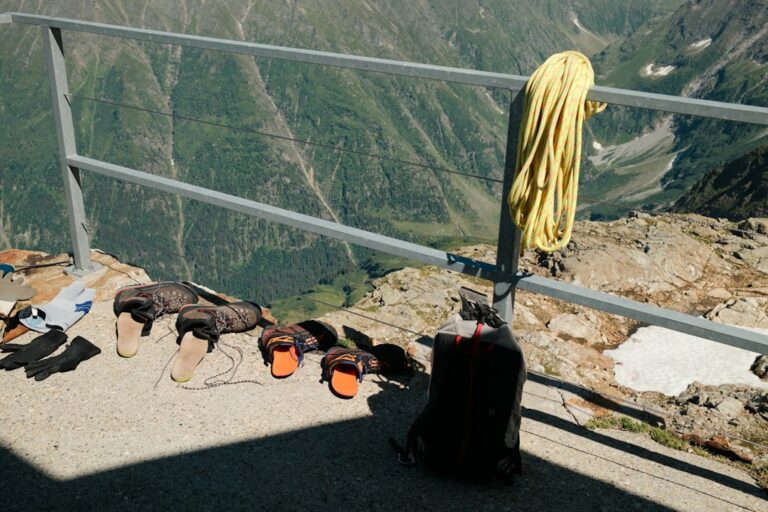
Your feet are your most important asset on a hike, and investing in a good pair of hiking boots is essential. Look for boots that provide excellent ankle support, traction, and waterproofing. A well-fitted boot will prevent blisters and discomfort, allowing you to focus on the stunning views rather than your aching feet.
When selecting hiking boots, consider the terrain you will be traversing. For rocky paths, opt for boots with a stiffer sole for better stability. If you plan on hiking in wet conditions, ensure your boots are made from breathable, waterproof materials to keep your feet dry and comfortable.
2. Weather-Appropriate Clothing
Dressing in layers is key to staying comfortable while hiking in the mountains. Start with a moisture-wicking base layer to keep sweat away from your skin. Add an insulating layer for warmth, and finish with a waterproof and windproof outer layer to protect against the elements.
Remember to choose clothing made from breathable fabrics that allow for ventilation. Avoid cotton, as it retains moisture and can lead to chills. Instead, opt for synthetic or merino wool materials that provide warmth without the bulk.
3. Hydration System
Staying hydrated is vital during any hike, especially in high altitudes where dehydration can occur more quickly. A hydration pack or water bottle should be a staple in your gear. Look for options that are lightweight and easy to carry, allowing you to sip water without stopping.
Consider the duration of your hike when planning your hydration needs. For longer treks, a hydration system with a built-in reservoir can be beneficial, as it allows for hands-free drinking. Always carry extra water, as conditions can change rapidly in the mountains.
4. Navigation Tools
Even if you are familiar with the trails, having navigation tools is essential for safety. A reliable map and compass should always be part of your hiking gear. Additionally, consider a GPS device or a smartphone app that can help you track your route and location.
Before heading out, familiarize yourself with the area and study the map. Knowing key landmarks and potential hazards can help you navigate more effectively. Always have a backup plan in case technology fails, and ensure someone knows your planned route.
5. First Aid Kit
Accidents can happen, even on well-trodden paths, making a first aid kit a must-have for any hike. Your kit should include band-aids, antiseptic wipes, pain relievers, and any personal medications you may need. Tailor your kit to the specific needs of your group, considering any allergies or medical conditions.
Regularly check and replenish your first aid kit to ensure all supplies are up to date. Knowing how to use the items in your kit is just as important as having them, so consider taking a first aid course to prepare for emergencies.
Step-by-step plan:
Step 1: Assess your hiking destination and conditions. Step 2: Create a packing list based on essential gear. Step 3: Gather your supplies from summitessential.com. Step 4: Double-check your gear before heading out.